
{
“title”: “The Genetic Score: Ethics of Bio-Engineered Musical Perfection”,
“meta_description”: “Genetic engineering in music is no longer science fiction. Explore the ethical implications of biological enhancement on artistic authenticity and performance.”,
“tags”: [“genetic engineering”, “music ethics”, “bio-hacking”, “artistic integrity”, “human performance”],
“categories”: [“Science”, “Culture, Indie and Trends”],
“body”: “
The End of Natural Talent
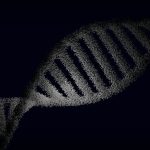
For centuries, the concept of musical genius has been tethered to the interplay of innate potential and rigorous discipline. We celebrate the prodigy and the virtuoso, assuming their capacities reside within the realm of human variance. Genetic engineering threatens to dismantle this foundation. By isolating genes associated with pitch perception, cognitive processing speed, and motor neuron efficiency, we move toward a future where musical aptitude becomes a customizable commodity rather than a biological lottery.
The Operational Risk of Biological Upgrading
From an operational strategy perspective, the introduction of bio-engineered traits into the arts creates a profound market distortion. If a cohort of artists can manipulate their vocal range, bone density, or neuroplasticity via CRISPR-Cas9 or similar interventions, the baseline for ‘professional’ performance shifts overnight. Leaders in the music industry must anticipate a scenario where ‘human’ performance becomes a niche category, similar to how traditional watchmaking persists alongside digital precision.
This shift forces a hard pivot in decision-making frameworks for talent development. Should an organization invest in a ‘natural’ artist, knowing their output ceiling is biologically capped, or pivot to a ‘modified’ artist who offers higher performance stability? The ethical cost is the potential erosion of the human struggle—the very element that gives art its cultural resonance.
Defining Authentic Performance
Authenticity is the currency of the creative economy. If an artist uses genetic engineering to enhance their cognitive stamina for writing or their physical dexterity for instrument play, at what point does the composition cease to be an individual expression? When technology assists in the creation of art, we often view it as a tool. When that technology is embedded within the artist’s DNA, the distinction between the creator and the product evaporates.
Leaders must foster a mindset that values the messy, unpredictable nature of human experience. Operations that rely solely on optimized output will inevitably face a brand crisis when audiences realize the ‘human’ element has been optimized out of existence. Developing a strategy to balance technical perfection with genuine human vulnerability is the primary challenge for the next generation of creative executives.
Systems for an Uncertain Future
Managing the intersection of biology and creative industry requires robust systems for ethical compliance and market transparency. As we move into an era where artificial intelligence and bio-augmentation converge, we must establish clear boundaries regarding what constitutes a performance-enhancing intervention. Failing to regulate this space risks a race to the bottom, where the ‘best’ music is simply the product of the most aggressive biological investment.
We can look to TheBossMind.online for insights on how to maintain standards in industries where technology threatens to outpace traditional governance. The goal is to retain high-performance metrics without sacrificing the core tenets of artistic integrity. As leaders, the mandate is clear: do not mistake increased capacity for increased value.
Further Reading
”
}

Leave a Reply