Author: Boss

  • Space Exploration and the Evolution of Modern Leadership Spirituality

    Space Exploration and the Evolution of Modern Leadership Spirituality

    {
    “title”: “Space Exploration and the Evolution of Modern Leadership Spirituality”,
    “meta_description”: “Discover how the expanding frontier of space exploration challenges traditional leadership paradigms and reshapes the intersection of strategy and metaphysics.”,
    “tags”: [“space exploration”, “leadership mindset”, “strategic vision”, “metaphysics”, “high performance”, “future of work”, “existential strategy”],
    “categories”: [“Science”, “Metaphysics and Esoteric”],
    “body”: “

    The Overview Effect as a Strategic Framework

    When astronauts witness the Earth from orbit, they report a cognitive shift known as the Overview Effect—a profound realization of the planet’s fragility and the absence of perceived borders. For the modern executive, this is not merely a psychological curiosity; it is a vital mental model for long-term strategy. Leaders often suffer from ‘corporate myopia,’ focusing on quarterly gains while ignoring the macro-systemic risks that define the survival of their organizations. Adopting the perspective of a space traveler allows for a detachment that clarifies which operational variables actually influence long-term stability.

    Expanding the Scope of Existential Decision-Making

    Space exploration pushes the boundaries of human endurance, forcing us to reconcile extreme technical precision with the inherent uncertainty of the cosmos. This tension is the ultimate crucible for high-stakes decision-making. When resources are finite and the environment is lethal, traditional management theories collapse. Instead, leaders must employ first-principles thinking to solve problems where no precedent exists. This transition from reactive management to proactive existential design is essential for modern leadership.

    Integrating Technical Rigor with Philosophical Depth

    True operational excellence requires more than data processing; it requires a philosophical foundation that justifies the pursuit of the unknown. As The Boss Mind often posits, the most durable organizations are those that align their daily execution with a higher-order objective. Looking toward the stars acts as a mirror for internal corporate culture. If your organization lacks a mission that transcends balance sheets, it will struggle to attract and retain the talent necessary for peak performance.

    The Intersection of AI and Cosmic Strategy

    We are currently witnessing the convergence of autonomous space exploration and advanced artificial intelligence. These systems perform operations that are humanly impossible, operating with a autonomy that mirrors the way top-tier leaders should decentralize control. By observing how we delegate mission-critical tasks to algorithms in space, we gain insight into how to structure our own systems for maximum leverage. The spiritual challenge here is one of trust and surrender: can we define the parameters of success clearly enough to allow our tools to operate without human interference?

    The New Frontier of Executive Mindfulness

    Meditation and space exploration share a common outcome: the dissolution of the ego. In the silence of space or the depth of a rigorous mindset practice, the noise of daily crisis management fades. Leaders who incorporate this cosmic perspective into their routines find that the perceived severity of market fluctuations diminishes. This is not about apathy; it is about objective assessment. When you understand your role in the scale of the universe, your capacity for productivity increases because you stop wasting energy on trivialities that do not impact the core mission.


    }

  • The Psychology of Medicine: Why Clinical Success Requires Mental Models

    The Psychology of Medicine: Why Clinical Success Requires Mental Models

    {
    “title”: “The Psychology of Medicine: Why Clinical Success Requires Mental Models”,
    “meta_description”: “Doctors often treat the body while ignoring the mind. Master the psychological architecture of clinical decision-making to improve patient outcomes and efficiency.”,
    “tags”: [“clinical psychology”, “medical decision making”, “cognitive bias”, “systems thinking”, “healthcare leadership”, “psychosomatic medicine”],
    “categories”: [“Health and Wellness”, “Science”],
    “body”: “

    The Biology Trap

    Medicine suffers from a structural reductionism that favors hardware over software. Clinicians are trained to treat physiology as an isolated mechanical system, often disregarding the psychological framework that mediates a patient’s physical experience. If you view health solely through a biological lens, you miss the cognitive drivers of illness, recovery, and treatment adherence. For the high-performing practitioner or the patient seeking optimization, this is a dangerous blind spot.

    The Cognitive Load of Clinical Decision-Making

    Clinical errors rarely stem from a lack of data; they emerge from poor decision-making architectures. When a physician operates under the stress of high-volume environments, they shift from analytical reasoning to heuristic-based processing. This shift frequently triggers confirmation bias—the tendency to ignore evidence that contradicts an initial diagnosis. Leaders in any field understand that decision fatigue ruins outcomes. In medicine, this cognitive drain translates to missed symptoms and unnecessary procedures. Mastering mental models allows clinicians to externalize their thinking process, creating a check-and-balance system that prevents the brain from taking shortcuts that compromise patient safety.

    Psychosomatic Architecture and Operational Health

    The boundary between mind and body is a fiction of modern education. The brain manages the autonomic nervous system, meaning emotional regulation directly dictates inflammatory markers and endocrine responses. High-performers often neglect this, viewing recovery as a task to be optimized rather than a biological state to be nurtured. When we build systems for operational excellence, we must include the psychological variable. A patient who does not believe in their treatment plan will rarely exhibit the physiological markers of healing, regardless of the chemical efficacy of the drugs prescribed. This is not mere placebo; it is the biological reality of intent.

    The Feedback Loop of Symptom Perception

    How an individual labels their own distress changes the severity of their symptoms. This is the cornerstone of effective patient management. By shifting the psychological framing of pain or fatigue, medical professionals can alter the patient’s objective experience of discomfort. This requires leadership during the clinical encounter—the ability to guide the patient away from catastrophizing and toward a constructive interpretation of their symptoms. Developing this skill set does not just improve patient satisfaction scores; it increases the reliability of diagnostics and the speed of recovery.

    The Institutional Perspective

    Beyond the individual, hospitals and clinics are human networks prone to the same groupthink as any other organization. When these institutions ignore the psychological underpinnings of their culture, they build environments where burnout is inevitable and error-reporting is suppressed. Effective operations in medicine demand an understanding of how fear, hierarchy, and psychological safety influence the front line. You cannot achieve sustainable performance in a system that ignores the human software governing its operators. For more insights on building resilient systems across various industries, explore the resources at The BossMind Network.


    }

  • Renewable Energy Strategy: Operationalizing Societal Transition

    Renewable Energy Strategy: Operationalizing Societal Transition

    {
    “title”: “Renewable Energy Strategy: Operationalizing Societal Transition”,
    “meta_description”: “Beyond the headlines, renewable energy is a massive operational shift. Leaders must balance legacy infrastructure with the realities of modern energy deployment.”,
    “tags”: [“renewable energy”, “energy infrastructure”, “strategic leadership”, “operational excellence”, “energy policy”],
    “categories”: [“Business”, “Science”],
    “body”: “

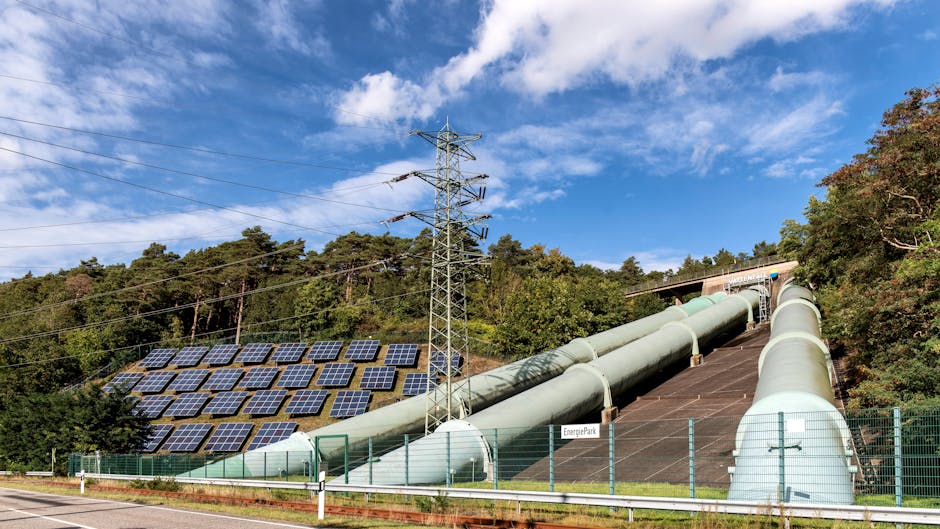
    The Decoupling of Energy and Entropy

    Energy transition is not merely a technical migration from hydrocarbons to electrons. It is the most significant operational overhaul of global civilization since the Industrial Revolution. For the modern leader, the shift to renewable energy represents a fundamental change in how resources are allocated, processed, and maintained. The transition creates a new friction between legacy infrastructure and the modular, decentralized nature of modern generation.

    The Operational Reality of Intermittency

    In traditional grid management, supply is a choice, not a variable. Leaders in the energy sector operated under a model where output matched demand with surgical precision. Renewables introduce stochastic variables that break this predictability. This shift necessitates a new approach to systems thinking. Efficiency is no longer defined by how much energy you produce, but by how effectively you capture, store, and distribute that energy when the environment dictates.

    Organizations that ignore these volatility constraints fail to integrate renewable components successfully. This is why informed decision-making requires a departure from legacy centralized models. Firms must prioritize resiliency over absolute output, ensuring that the architecture can withstand shifts in supply without collapsing operational continuity.

    Strategy and the Decentralization Paradox

    The core challenge of renewable energy is decentralization. When power generation moves from a single utility plant to millions of localized points, the role of management changes. This mirrors the transformation seen in digital architecture where monolithic servers gave way to cloud-native, distributed networks. Successful implementation of renewable mandates requires a cohesive strategy that bridges the gap between local capability and grid stability.

    Leaders must acknowledge that renewable energy is not just a climate objective; it is a logistical challenge. Scaling these operations requires a mastery of data and real-time monitoring. Without high-fidelity feedback loops, the risk of systemic failure increases. We see similar patterns in advanced industrial operations, where distributed sensors manage thousands of variables to maintain a specific standard of output.

    Human Capital in a Transition Economy

    Societal friction stems from the mismatch between existing labor skill sets and future energy needs. The transition requires a massive, coordinated effort in upskilling and infrastructure modernization. For organizations operating in this space, building the right team is the primary bottleneck. True high-performance culture during this transition involves aligning incentives with the long-term realities of energy sustainability rather than short-term political cycles.

    Visit The Boss Mind for further insights on how leaders can adapt to shifting macro-environments. For deep-dive technical analysis on grid load balancing, you can review current developments at The Boss Mind Information Portal.


    }

  • Architecture and Environment: The Strategic Legacy of Built Space

    Architecture and Environment: The Strategic Legacy of Built Space

    {
    “title”: “Architecture and Environment: The Strategic Legacy of Built Space”,
    “meta_description”: “Explore the evolution of architectural design and its impact on human performance. Learn how environmental strategy shapes organizational outcomes.”,
    “tags”: [“Architectural History”, “Strategic Environment”, “Systems Thinking”, “Urban Design”, “High-Performance Spaces”, “Sustainable Development”],
    “categories”: [“History”, “Business”],
    “body”: “

    The Built Environment as a Strategic Asset

    Architecture is rarely a neutral backdrop. It is a physical manifestation of priorities, a static system that dictates the flow of human interaction, resource allocation, and cognitive output. Throughout history, the most enduring structures were not merely aesthetic achievements; they were operational solutions to environmental pressures. From the thermal mass strategies of Neolithic dwellings to the climate-responsive facades of modern urban centers, architecture serves as the original interface between human intent and the natural world.

    The Evolution of Environmental Integration

    Early civilizations understood that survival required architectural synergy with the local climate. The Greeks oriented their homes to capture the low winter sun while blocking the harsh summer glare, a practice in strategic planning that maximized thermal efficiency without energy expenditure. This was not merely construction; it was a fundamental decision-making process based on the constraints of their environment.

    As we moved into the industrial era, this intelligence was frequently discarded in favor of brute-force solutions. The advent of air conditioning allowed architects to ignore orientation, thermal mass, and natural ventilation. Efficiency was traded for a standardization that ignored regional context, creating a legacy of energy-intensive, rigid structures that currently struggle to adapt to shifting climate realities.

    Designing for High-Performance Systems

    Modern leaders must view the built environment as a core component of operational excellence. The physical space an organization occupies dictates the pace of collaboration and the quality of deep work. Just as the ancients optimized for light and warmth, modern leaders must optimize for cognitive flow and team alignment. A space designed without regard for its environment is a liability, whereas a space designed as an integrated system acts as a force multiplier.

    Consider the shift toward adaptive reuse. Rather than defaulting to new construction, high-performance firms are evaluating how existing structural assets can be repurposed. This decision-making framework mirrors the architectural history of recycling materials—it is an economic and ecological imperative that prioritizes longevity over ephemeral trends.

    The Future of Adaptive Architecture

    The next frontier involves embedding data-driven intelligence into the structures themselves. We are moving toward ‘living’ buildings that adjust their performance parameters in real-time, effectively mirroring the adaptive strategies seen in biological organisms. This shift requires a new level of systems thinking, where architects and organizational leaders align on the desired outcomes for the inhabitants of these spaces.

    By studying the history of how architecture responds to environmental constraints, we gain a blueprint for current leadership. We learn that true success is found in synthesis, not separation. The environments that endure are those that acknowledge their surroundings, adapt to change, and sustain the core operations they were designed to house. Explore more insights on organizational agility at The BossMind Network.


    }

  • The Behavioral Economics of Environmental Impact: A Leadership Mandate

    The Behavioral Economics of Environmental Impact: A Leadership Mandate

    {
    “title”: “The Behavioral Economics of Environmental Impact: A Leadership Mandate”,
    “meta_description”: “Environmental impact is a function of cognitive bias and organizational design. Learn how high-performers shift behavior to align long-term sustainability.”,
    “tags”: [“behavioral economics”, “operational excellence”, “environmental strategy”, “decision making”, “organizational culture”, “leadership”],
    “categories”: [“Business”, “Science”],
    “body”: “

    The Architectures of Waste

    Environmental degradation is not merely a technical failure; it is an output of systemic human behavior. Leaders often treat ecological impact as an externality, yet it remains the ultimate metric of operational inefficiency. When resources are squandered, energy is leaked, and material flows are linear rather than circular, the organization reveals a fundamental flaw in its decision-making framework. High-performance operators understand that environmental footprint is a direct proxy for wasted potential and poor operations.

    The Psychology of Short-Termism

    Human decision-making is hardwired for immediate gratification, often at the expense of long-term equilibrium. This cognitive limitation prevents teams from investing in sustainable infrastructure, favoring the quick win over the enduring system. In a corporate context, this manifests as the quarterly profit trap. If your strategy prioritizes short-term metrics while ignoring resource lifecycle, you are incentivizing long-term environmental and fiscal decay. Behavioral correction requires shifting the incentive structure so that sustainable choices are the path of least resistance for the individual actor.

    Default Bias in Operational Design

    Choice architecture dictates the environmental outcome of any firm. If the default setting for a supply chain is to source from the cheapest, most opaque vendor, that is exactly what your managers will do. By altering the defaults—mandating high-transparency vendors or setting rigorous waste-reduction targets as KPIs—leaders effectively change behavior without needing to change the mindset of every employee. This is how you implement execution that scales sustainability.

    Aligning Performance with Planetary Boundaries

    True competitive advantage comes from decoupling growth from resource intensity. This transition requires a shift in mindset: viewing the environment as an asset class to be managed rather than an external cost to be offloaded. Organizations that fail to account for their environmental impact will inevitably face systemic shocks, from supply chain volatility to regulatory intervention. Leaders must internalize these costs early to maintain a performance edge over competitors who remain reactive.

    The Role of Data and AI

    Leveraging AI to map resource flows provides the transparency necessary to eliminate waste. When you gain granular insight into where energy and material are lost, you move from reactive mitigation to proactive optimization. This is no longer a matter of corporate social responsibility; it is an exercise in data-driven decision-making designed to harden your operations against future instability. Visit thebossmind.com to explore how advanced systems thinking can streamline your organizational footprint.


    }

  • Renewable Energy: A Strategic History of Power and Industrial Scaling

    Renewable Energy: A Strategic History of Power and Industrial Scaling

    {
    “title”: “Renewable Energy: A Strategic History of Power and Industrial Scaling”,
    “meta_description”: “Explore the evolution of renewable energy through the lens of industrial strategy. Understand how systemic shifts define modern leadership and operations.”,
    “tags”: [“renewable energy history”, “industrial strategy”, “energy transition”, “operational excellence”, “systemic shift”, “energy systems”],
    “categories”: [“History”, “Business”],
    “body”: “

    The Primitive Foundations of Kinetic Control

    Energy history is not merely a tale of environmental discovery; it is a record of human systems evolving to capture increasingly dense sources of power. Long before the combustion engine defined the 20th century, early civilizations operated on pure renewable input. Water wheels, windmills, and biomass represented the first attempts at scaling production beyond manual labor. For the early operator, the challenge was simple: proximity to a constant force. This constraint dictated the geography of industry, forcing mills and factories to cluster around riverbanks and windy plains. It was a period where geography was destiny, and the primary strategy for growth involved securing high-output physical locations.

    The Carbon Interruption

    The industrial revolution introduced a shift in operational capability by decoupling production from immediate, site-specific renewable sources. Coal and petroleum allowed for massive portability. Leaders no longer needed to be near the river; they could build anywhere, provided they had an supply chain for fuel. This era institutionalized a reliance on extraction, creating legacy systems that now pose significant friction for modern operations. The reliance on fossil fuels became an architectural constraint, baked into the infrastructure of global cities and supply chains.

    Renewables as a Systems Overhaul

    We are currently experiencing a return to distributed power, but with one critical distinction: advanced technology. The transition to solar, wind, and geothermal is not just an environmental imperative; it is an exercise in complex systems engineering. For the modern leader, the return to renewables involves managing the intermittent nature of power delivery, requiring a high degree of precision in energy storage and grid integration. This is no longer about simple extraction, but about the sophisticated management of flow and throughput.

    Operational Implications for the Modern Leader

    High-performance thinking now demands a rethink of energy dependency. Organizations that integrate autonomous energy production are creating a hedge against volatility in the broader utility market. This is a move toward decentralization, reflecting broader trends in leadership where control is shifted from the center to the edge. When a company controls its own power generation, it builds a layer of resiliency that centralized power structures cannot replicate. This is the new frontier of operational excellence—minimizing reliance on fragile, legacy grids in favor of robust, local energy matrices.

    The AI Synergy

    Managing the grid of the future is an impossible task for human operators alone. The integration of AI in managing energy consumption patterns is the ultimate force multiplier. By predicting output fluctuations in solar or wind, machine learning models allow for real-time adjustments that optimize cost and uptime. Leaders who fail to see the nexus between energy management and digital transformation will find their overhead costs inflating as their competitors adopt smarter, AI-driven power strategies.

    Explore more insights on structural growth at The BossMind platform.


    }

  • Virtual Reality Economics: How Immersive Tech Reshapes Value Creation

    Virtual Reality Economics: How Immersive Tech Reshapes Value Creation

    {
    “title”: “Virtual Reality Economics: How Immersive Tech Reshapes Value Creation”,
    “meta_description”: “Virtual reality is moving beyond entertainment. Learn how immersive environments are driving new economic models, operational efficiency, and capital flow.”,
    “tags”: [“Virtual Reality”, “Digital Economy”, “Operational Strategy”, “Economic Transformation”, “Immersive Tech”, “Future of Work”],
    “categories”: [“Economy”, “Technology”],
    “body”: “

    The New Frontier of Capital Formation

    Physical constraints have historically dictated the boundaries of economic growth. Capital, labor, and land—the classic triad of classical economics—require tangible presence. Virtual Reality (VR) is systematically dismantling these requirements, forcing leaders to rethink strategic capital allocation. We are shifting from an economy of scarcity in physical space to an economy of infinite potential in digital space.

    The Transition from Simulation to Utility

    The economic impact of VR begins with the erosion of operational friction. In sectors like manufacturing and architecture, digital twins allow for real-time iteration, reducing the cost of failure before a single physical unit is produced. This is not mere visualization; it is a fundamental shift in operational excellence. When design cycle times are compressed from months to days, the velocity of innovation becomes the primary driver of market share.

    For the modern enterprise, this presents a unique challenge in decision-making. Leaders must determine which processes gain marginal utility from immersion and which remain stagnant. The ROI is no longer measured in foot traffic or square footage, but in the speed of iteration and the fidelity of collaborative output.

    Virtual Assets and the New Medium of Exchange

    The rise of persistent, immersive environments introduces asset classes that operate on non-physical value metrics. While traditional markets struggle with inflationary pressures, virtual economies often rely on scarcity defined by code rather than geology. This creates a fascinating divergence for entrepreneurship: the ability to build businesses that operate entirely within a high-fidelity synthetic reality, decoupled from traditional supply chain logistics.

    The most successful companies of the next decade will treat virtual space as a critical asset, not a luxury department.

    By treating virtual environments as secondary markets for product testing and customer engagement, companies can gather high-resolution behavioral data that physical retail simply cannot replicate. This performance measurement capability allows for precision targeting at scale.

    Human Capital and Distributed Economic Power

    Remote work was the first wave of physical decoupling. VR represents the second: the removal of the screen as a barrier to engagement. When presence becomes digital, the geography of talent ceases to be a liability. Organizations that integrate immersive collaboration tools gain access to a global labor pool without the traditional costs associated with physical relocation or local market saturation. As noted at The BossMind, the organizations that dominate this era will be those that master the architecture of these digital workspaces.

    Operational success in this new economy requires an understanding of how presence influences productivity. Leaders must move beyond the ‘video call’ mindset and adopt spatial computing as a medium for deep, focused work. For further insights on how technology impacts organizational structure, consider the resources available at The BossMind Online.


    }

  • Space Medicine: The New Frontier of Biological Performance Strategy

    Space Medicine: The New Frontier of Biological Performance Strategy

    {
    “title”: “Space Medicine: The New Frontier of Biological Performance Strategy”,
    “meta_description”: “Space exploration is no longer just about engineering. It is the ultimate laboratory for biological optimization, high-stakes decision-making, and AI health.”,
    “tags”: [“space medicine”, “human performance”, “biotechnology”, “operational strategy”, “health innovation”, “AI in healthcare”],
    “categories”: [“Science”, “Health and Wellness”],
    “body”: “

    The Biology of Extraordinary Constraints

    Gravity is the constant against which all biological systems are calibrated. When human physiology moves beyond the Kármán line, the body begins a rapid process of adaptation that mimics accelerated aging. Muscle atrophy, bone mineral density loss, and cardiovascular restructuring are not merely medical challenges; they are biological constraints that force a radical rethink of human operational capacity. Leaders in high-stakes industries can look to space medicine not as a niche interest, but as an extreme case study in human performance optimization under environmental pressure.

    Translating Aerospace Data to Earth-Based Health

    The space sector operates on a zero-tolerance policy for error, necessitating a degree of decision-making precision that is rare in conventional clinical settings. In orbit, every physiological metric is tracked, processed, and analyzed in real-time. This \”closed-loop\” system approach is beginning to migrate to terrestrial healthcare. By utilizing wearable biometrics and predictive health monitoring—technologies birthed in the crucible of spaceflight—earth-bound organizations can better manage the fatigue and cognitive load of their own high-performers.

    AI-Driven Diagnostic Systems

    When communication delays render real-time ground control impossible, space missions must rely on autonomous, AI-driven medical diagnostic tools. These systems do not just monitor symptoms; they predict outcomes based on multi-variate data streams. Integrating similar AI systems into corporate wellness and industrial operations allows for the detection of burnout or health degradation before a crisis occurs, enabling a proactive rather than reactive management style.

    Operational Excellence in Hostile Environments

    The future of space exploration hinges on the integration of human biology with synthetic support systems. This necessitates a shift in how we approach operations: moving from reactive maintenance to integrated biological infrastructure. On the International Space Station, diet, exercise, and sleep are not lifestyle choices; they are mission-critical operational requirements. Adopting this rigid, high-performance lens on the ground—treating nutrition as fuel and rest as recovery maintenance—provides a structural advantage for teams operating in high-pressure sectors.

    The Strategic Value of the Extremes

    Exploration pushes the boundaries of what is possible, forcing innovations in regenerative medicine and genomic editing that would otherwise stall in slower-paced environments. For the modern leader, the lesson is clear: innovation is often a byproduct of removing the safety net. By studying the \”space medicine\” approach to risk and system failure, organizations can build more robust frameworks that survive extreme volatility. Visit The BossMind platform to explore how these extreme-environment principles apply to your organizational structure and growth strategy.


    }

  • The Strategic Silhouette: How Fashion Shapes Cognitive Performance

    The Strategic Silhouette: How Fashion Shapes Cognitive Performance

    {
    “title”: “The Strategic Silhouette: How Fashion Shapes Cognitive Performance”,
    “meta_description”: “Fashion is more than aesthetics; it is a tool for cognitive state control. Explore the intersection of sartorial choices, spiritual presence, and executive focus.”,
    “tags”: [“personal branding”, “executive presence”, “cognitive psychology”, “mindful leadership”, “visual strategy”],
    “categories”: [“Business”, “Culture, Indie and Trends”],
    “body”: “

    The Anatomy of Intentional Presence

    Most leaders treat their wardrobe as a logistical afterthought, a series of boxes to check before entering a room. This is a strategic error. What you wear serves as a primary signal to your own subconscious, setting the parameters for your cognitive state. If leadership is the art of influence and authority, then clothing is the interface through which that authority is projected, both inward and outward.

    Spirituality, in the context of professional high-performance, is not found in asceticism. It is found in alignment. When your external presentation mirrors your internal values, you eliminate the cognitive friction caused by dissonance. This state of alignment is the bedrock of what we call presence—a palpable sense of command that requires no vocal amplification.

    The Psychology of Enclothed Cognition

    Researchers often refer to the concept of ‘enclothed cognition,’ the idea that the clothes we wear trigger specific psychological states. A formal suit can sharpen analytical precision; minimalist, natural-fiber clothing can encourage a expansive, meditative headspace. For the high-performer, curating a wardrobe is essentially a form of systems design. By selecting garments that reinforce your desired state of mind, you create a feedback loop that sustains your operational focus throughout the day.

    When you approach dressing with the same rigor you apply to strategic planning, you move from passive consumption to intentional curation. This is where fashion crosses into the spiritual domain: it becomes a practice of mindfulness. Every button, texture, and silhouette is an opportunity to confirm who you are and what you stand for in the competitive marketplace.

    Operationalizing Personal Aesthetics

    Precision in your aesthetic choices acts as a force multiplier for your decision-making. Just as a cluttered workspace indicates a scattered mind, an unconsidered wardrobe reveals a lack of operational discipline. Leaders who understand the spiritual impact of their appearance treat their daily attire as a ritual, not a chore.

    Consider the ‘uniform’ approach favored by many top-tier operators. It is not about vanity; it is about cognitive offloading. By minimizing the bandwidth required for daily fashion decisions, you preserve your mental energy for high-stakes tasks. This is the synthesis of efficiency and intentionality. Explore more on how to streamline your cognitive load at thebossmind.net.

    The Signaling Effect in High-Stakes Environments

    Your appearance functions as a low-latency communication tool. In any high-stakes room, you are being analyzed before you speak. Your attire broadcasts your history, your standards, and your psychological stability. If your appearance is incongruent with your intent, you are fighting an uphill battle against skepticism. True power, in a business sense, is when your physical presence confirms your reputation before a word is exchanged.

    When you refine your visual identity, you are not merely engaging in ‘branding.’ You are creating a container for your spirit and your strategy to inhabit. This integration is essential for long-term endurance in demanding fields. To understand how such subtle shifts affect your professional trajectory, review our insights on peak performance frameworks.


    }

  • The Strategic Burden of Longevity: Historical Lessons for Modern Leaders

    The Strategic Burden of Longevity: Historical Lessons for Modern Leaders

    {
    “title”: “The Strategic Burden of Longevity: Historical Lessons for Modern Leaders”,
    “meta_description”: “Explore the ethical dilemmas of aging throughout history and learn how modern leaders can apply these lessons to organizational strategy, succession, and legacy.”,
    “tags”: [“leadership strategy”, “historical analysis”, “succession planning”, “organizational ethics”, “longevity”],
    “categories”: [“History”, “Business”],
    “body”: “

    The Gerontocratic Trap

    History suggests that power often clings to the aging with a grip that stifles renewal. From the Roman Senate’s reliance on aristocratic elders to the stagnation of the late Ming Dynasty, the failure to transition authority has consistently led to institutional decay. For the modern executive, the ethical dilemma is not merely personal; it is systemic. When does a leader’s accumulated wisdom cross the threshold into a liability for the organization?

    Understanding the nature of leadership requires acknowledging that every individual eventually faces a decline in cognitive speed and risk tolerance. Leaders who fail to orchestrate their own exits create a vacuum of initiative. This is a failure of strategic foresight, where the comfort of the status quo is prioritized over the resilience of the firm.

    Sparta and the Costs of Stability

    Sparta’s Gerousia offers a stark cautionary tale. Comprised of men over sixty, this council provided stability but ultimately locked the state into a rigid, backward-looking ideology. Their insistence on traditionalism prevented the necessary adaptation to changing Hellenic power dynamics. For the high-performance professional, the lesson is clear: when the guardrails of an organization are set by those who no longer have to live with the long-term consequences of their decisions, innovation dies.

    Effective decision-making demands that power be distributed according to impact, not tenure. Leaders must build systems that allow for the graceful transition of authority before the physiological or mental reality of aging mandates it. If you are not actively mentoring your successor, you are managing your career at the expense of your organization’s future.

    The Burden of Legacy in High-Performance Teams

    The ethical weight of aging is most acute during high-stakes transitions. History documents numerous instances where dynasties collapsed because the founder refused to delegate critical components of the operations. This behavior is often masked as a commitment to quality or culture, but it is frequently an ego-driven refusal to accept the limits of one’s own arc.

    Maintaining operational excellence requires a brutal honesty about one’s role in the organization’s lifecycle. You are the architect, not the foundation itself. By documenting processes and codifying your mindset, you ensure that the organization can function without your constant oversight. This is the highest form of professional responsibility.

    Designing for Succession

    Refusing to plan for a post-tenure reality is a form of negligence. Modern enterprises succeed when they view leadership as a modular role rather than a fixed identity. Consult the archives at TheBossMind Network for further frameworks on building organizational continuity that survives the departure of key personnel. Leaders who embrace the cycle of renewal do not view their inevitable replacement as an ending, but as the final, most crucial act of their tenure.

    “,
    “categories”: [“History”, “Business”]
    }