{
“title”: “The Ethical Crisis of Modern Education: A Systemic Failure”,
“meta_description”: “Our current education models prioritize compliance over cognitive autonomy. Explore the ethical dilemmas shaping the future of human capital and leadership.”,
“tags”: [“educational reform”, “cognitive autonomy”, “human capital”, “systems thinking”, “institutional bias”, “leadership development”],
“categories”: [“Education”, “Strategy”],
“body”: “
The Compliance Trap
The modern education system functions less like an engine for human potential and more like a factory for industrial-era compliance. We reward students for their ability to replicate standardized outputs, effectively suppressing the cognitive friction necessary for genuine mindset shifts. This systemic focus on uniformity creates a dangerous ethical deficit: we train individuals to follow instructions while stripping away the incentive to question the underlying architecture of the environment they inhabit.
The Illusion of Meritocracy
Educational institutions frequently frame themselves as the great equalizers of society. However, when we examine the operational realities, we find a system built on the preservation of social capital rather than the creation of new value. Decision-making processes within schools often mirror obsolete hierarchies, favoring students who demonstrate high levels of institutional obedience. Leaders and operators recognize this pattern as a failure of leadership; by failing to cultivate dissent and critical inquiry, the system produces cohorts ill-equipped for the complexities of real-world execution.
The Commodification of Potential
When education is measured by standardized metrics, the student becomes a commodity. The ethical dilemma emerges when the system prioritizes high-stakes testing scores over the long-term cognitive health of the individual. This isn’t just a pedagogical flaw; it is a strategic error. By optimizing for short-term metrics, the system incurs a massive debt of untapped human intelligence. High-performers are forced to engage in institutional theater rather than authentic intellectual discovery, draining the vitality of future workforces.
Aligning Systems with Autonomy
For education to reclaim its ethical mandate, it must move away from the current model of rigid instruction. True systems design in education requires a shift toward decentralized learning paths that incentivize trial and error. We see successful counterparts in high-growth organizations where the focus remains on outcomes, not the hours logged or the standardized methods applied. To understand how this applies to broader organizational development, visit The BossMind Network.
If we treat education as a form of operations, the current model is suffering from a massive technical debt. We are attempting to run twenty-first-century software on nineteenth-century hardware. The ethical imperative is clear: stop training workers to fill vacant slots and start cultivating thinkers who can define the problems of tomorrow. This requires a radical departure from current institutional dogma and a move toward models that prioritize performance based on individual agency.
The Role of Artificial Intelligence
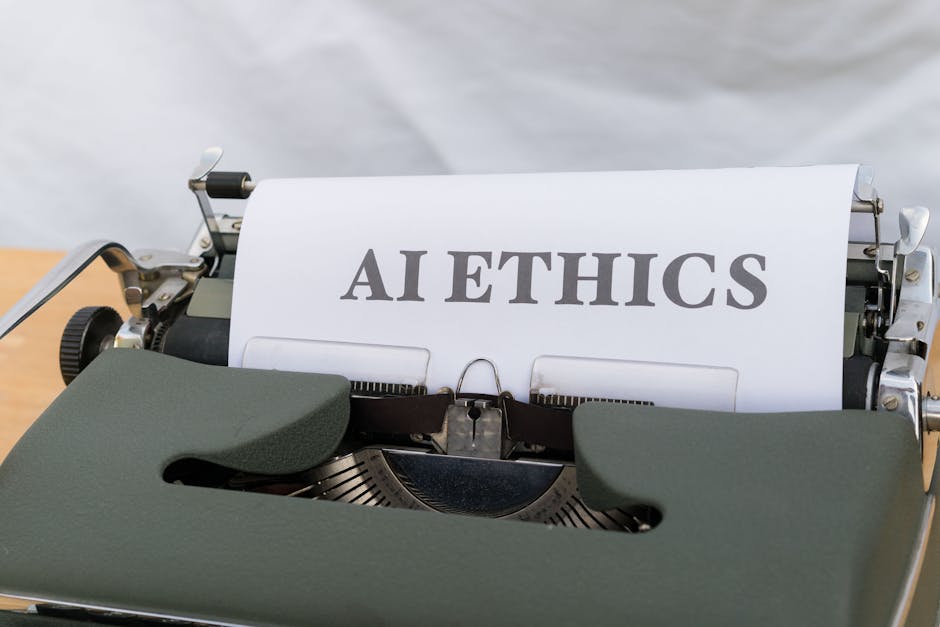
The rapid advancement of AI forces a confrontation with the rote memorization model. When knowledge is globally accessible and generative systems can summarize information in seconds, the value proposition of the traditional classroom shifts entirely. Continuing to mandate rote learning is not just inefficient; it is ethically questionable. Leaders must advocate for a shift toward high-level synthesis and the orchestration of complex human-machine collaborations, rather than the outdated pursuit of content delivery.
For those looking to build more robust intellectual frameworks outside of traditional academic settings, explore resources at The BossMind Platform.
Further Reading
”
}