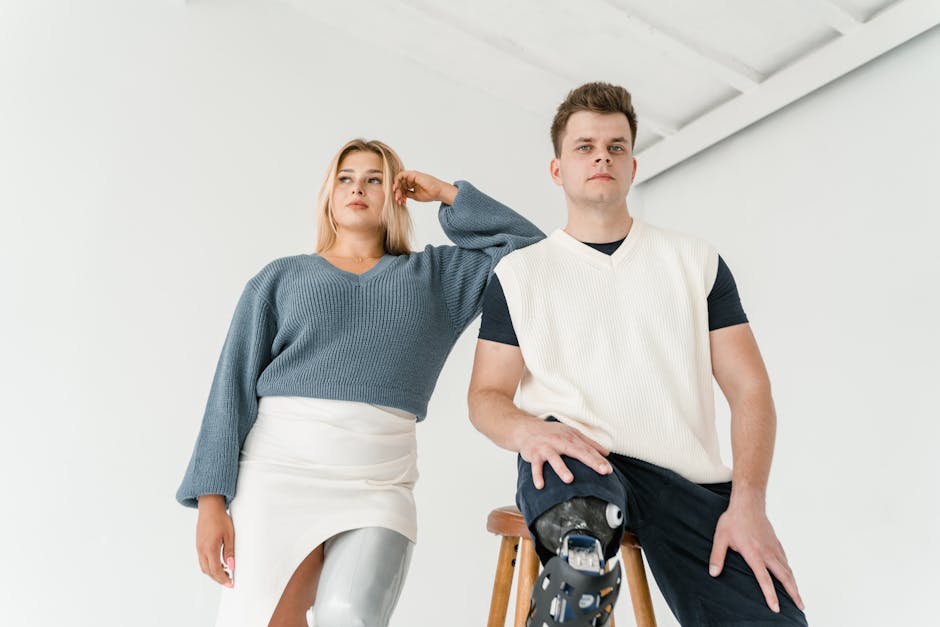
Tag: human performance

  • The Strategic Edge: How AI Redefines Human Performance

    The Strategic Edge: How AI Redefines Human Performance

    {
    “title”: “The Strategic Edge: How AI Redefines Human Performance”,
    “meta_description”: “Beyond fitness trackers, AI is transforming wellness into a high-performance system. Learn how leaders use data-driven biology for superior decision-making.”,
    “tags”: [“artificial intelligence”, “human performance”, “data driven health”, “leadership strategy”, “biohacking”, “biometric analytics”],
    “categories”: [“AI / Neural Networks”, “Health and Wellness”],
    “body”: “

    The Shift from Reactive to Predictive Physiology

    Health is no longer a personal maintenance project; it is an operational pillar. Historically, wellness remained a reactive field—we addressed illness after symptoms emerged. Today, artificial intelligence shifts the paradigm to predictive biology. For high-performers, this represents a transition from guesswork to precision engineering, where personal health data serves as the foundational systems architecture for professional output.

    The integration of neural networks into continuous monitoring tools allows leaders to move beyond generalized health advice. By analyzing longitudinal data points—heart rate variability, sleep architecture, and glucose fluctuations—AI identifies the specific stressors that diminish cognitive capacity long before a burnout event occurs. This is not mere tracking; it is the application of data-backed decision-making to the most critical asset in any enterprise: the human operator.

    Optimizing Cognitive Output Through Biometrics

    Cognitive load management is the ultimate competitive advantage. AI algorithms now synthesize complex biometric inputs to provide real-time recommendations on cognitive scheduling. When models identify a plateau in executive function, they suggest specific recovery protocols. This systematic approach to energy management mirrors the logic of high-stakes operations, where efficiency is calculated rather than felt.

    By removing the friction of manual interpretation, AI allows leaders to offload the cognitive burden of health management to specialized models. These tools prioritize recovery cycles based on the intensity of the previous day’s output, ensuring that exertion is matched by restorative phases. It is a rigorous application of performance optimization that treats the body as a machine requiring calibrated maintenance.

    The Architecture of Personalized Longevity

    Longevity is the final frontier of business strategy. The ability to maintain peak analytical and creative power over decades is a distinct advantage. Current AI research is unlocking deeper insights into individual metabolic profiles, enabling tailored nutrition and supplementation strategies that were previously unreachable outside of clinical research settings.

    For those building sustainable careers, this level of granularity provides a buffer against the volatility of professional stress. By leveraging strategic health planning, operators secure their ability to execute at scale over long durations. This is the synthesis of thebossmind.com principles—precision, intent, and measurable outcomes applied to biological reality.

    Operationalizing Biological Feedback

    The transition from intuition to data-driven health requires a shift in how we interpret biometric feedback. The objective is to identify patterns—correlations between travel, diet, decision-dense days, and recovery scores. Once these patterns are identified, the AI functions as an objective arbiter of internal performance, eliminating the human tendency to over-extend until failure becomes inevitable.

    Leaders who adopt these AI-driven systems achieve a higher baseline of stability. They operate with a clearer understanding of their own biological limits and capabilities, resulting in more consistent output and better-calibrated risk assessment. For more on these high-performance frameworks, visit thebossmind.online.


    }

  • The Genetic Engineering Paradox: Risks for High-Performance Wellness

    The Genetic Engineering Paradox: Risks for High-Performance Wellness

    {
    “title”: “The Genetic Engineering Paradox: Risks for High-Performance Wellness”,
    “meta_description”: “Genetic engineering promises biological optimization, but brings complex systemic risks. Leaders must evaluate the ethical and operational trade-offs today.”,
    “tags”: [“genetic engineering”, “biological optimization”, “bioethics”, “risk management”, “human performance”],
    “categories”: [“Health and Wellness”, “Science”],
    “body”: “

    The Asymmetry of Biological Intervention

    For high-performers, the allure of genetic engineering is clear: if the software of the human body can be debugged, why not optimize it for peak output? We are moving past the era of supplement stacks and recovery protocols into an age of precise genomic editing. Yet, leaders who treat biology as a closed system prone to simple optimization often ignore the inherent non-linearity of complex organisms. In the pursuit of human performance, the introduction of genetic modifications creates a cascade of second and third-order effects that are rarely captured in initial efficacy models.

    The Reliability Gap in Genomic Editing

    Operational excellence relies on the predictability of systems. When you modify a gene, you rarely get the singular outcome promised by a marketing brochure. Off-target effects—where CRISPR or other tools cut the wrong segment of DNA—introduce systemic bugs that can manifest decades later. For an executive, this is not just a health concern; it is a failure of long-term strategy. Investing in a biological future requires a rigor often absent in the current ‘bio-hacker’ culture, which frequently prioritizes rapid iteration over robust validation.

    The Illusion of Control

    We often assume that because we can measure a specific biomarker, we understand its role in the total ecosystem. This is a cognitive trap. Genes exist in a state of high interdependency. Adjusting one variable for a specific performance gain—such as increasing muscle recovery or enhancing cognitive focus—often triggers a compensatory mechanism elsewhere in the proteome. This is a classic case of systems thinking failure, where the sub-optimization of one component degrades the overall stability of the organism.

    Ethical Decision-Making and Biological Strategy

    The transition from therapy to enhancement presents an ethical bottleneck. When we view the body as a machine to be upgraded, we strip away the inherent constraints that often force individuals to develop character, resilience, and better decision-making frameworks. If the \”cost\” of physical endurance or cognitive clarity is reduced to a laboratory procedure, the internal machinery of personal growth may atrophy. This is the ultimate risk of genetic engineering: the outsourcing of human evolution to brittle technical solutions.

    Regulatory Uncertainty and Asset Integrity

    For early adopters, the legal and regulatory landscape is a minefield. As The BossMind Network frequently highlights, the most dangerous risks are those that carry regulatory or social stigma that can manifest years after the intervention. If you modify your genetic baseline, you are making a permanent bet on an incomplete scientific dataset. The institutional response to human genetic alteration is still in its infancy, and the \”rules of the game\” are subject to abrupt, draconian shifts.

    Pragmatism Over Protocol

    Before moving toward radical biological interventions, leaders must apply the same standards used in high-stakes capital allocation. What is the return on investment? What are the irreversible risks? And most importantly, can this outcome be achieved through disciplined productivity habits rather than invasive genomic editing? True optimization is rarely found in the newest tool, but in the sophisticated management of the systems we already possess. Build your biological foundation on proven principles before experimenting with the architecture of your DNA.


    }

  • The Wellness Arbitrage: Capitalizing on Human Behavioral Patterns

    The Wellness Arbitrage: Capitalizing on Human Behavioral Patterns

    {
    “title”: “The Wellness Arbitrage: Capitalizing on Human Behavioral Patterns”,
    “meta_description”: “True competitive advantage in wellness isn’t found in products, but in the predictable flaws of human behavior. Learn how to architect systems for success.”,
    “tags”: [“behavioral economics”, “wellness strategy”, “human performance”, “decision architecture”, “operational excellence”],
    “categories”: [“Business”, “Health and Wellness”],
    “body”: “

    The Asymmetry of Human Friction

    The wellness industry often mistakes a desire for health with an aptitude for behavior change. Most ventures fail because they build for the person their customer wants to be, rather than the person their customer is. High-performance leaders and operators understand that sustainable value is generated in the gap between intention and action. This is the wellness arbitrage: identifying where biological impulses conflict with modern goals and building systems that bridge the delta.

    When you align your operational systems with the reality of human inertia, you stop selling a product and start selling a replacement for willpower. Willpower is a finite resource, yet most wellness businesses operate as if it were infinite, relying on ‘motivation’ to drive engagement. This is a strategic error. Successful execution requires designing for the path of least resistance.

    Architecting for Cognitive Load

    Human decision-making is heavily influenced by cognitive load. When an individual is stressed, exhausted, or overwhelmed, their capacity for complex health-related choices plummets. They default to heuristics—shortcuts that favor immediate gratification over long-term optimization. The opportunity here lies in creating decision architecture that removes the need for active cognitive processing.

    Consider the ‘friction reduction’ model. If a wellness program requires five steps to execute a habit, the drop-off rate will be exponential. If it requires zero, you have created a utility. Leaders who build within the wellness space should prioritize automation and environmental design. By removing friction, you aren’t just improving user experience; you are capturing market share from competitors who still rely on the inefficient model of constant user encouragement.

    The Feedback Loop as a Competitive Moat

    Behavioral data is the most underutilized asset in the wellness stack. Most companies track output—steps taken, calories burned, minutes slept. High-performers track the variables that precede the output. By analyzing the precursors to behavioral drift, businesses can implement performance interventions before the customer abandons the program entirely.

    This shift from reactive to proactive engagement is where scale is achieved. When you understand the behavioral trigger for failure, you can automate the nudge that restores trajectory. This is not about manipulative marketing; it is about building a feedback loop that rewards the user for their consistency, turning a transactional relationship into a habitual one. You can explore how these patterns influence broader outcomes at thebossmind.net.

    Operations Beyond the Product

    If your wellness strategy relies solely on the quality of the ‘solution’—the app, the supplement, or the gym membership—you are commoditized. The true innovation occurs in the delivery. How does your strategic framework account for the inevitable relapse in human discipline? The companies that thrive in the next decade will be those that integrate behavioral science into their core operations.

    Think of your wellness offering as an extension of the user’s executive function. If the product effectively outsources the ‘thinking’ part of being healthy, the user remains tethered to your ecosystem. This creates a proprietary lock-in that transcends features and pricing, rooted instead in the user’s reliance on your system to maintain their own performance standards.

    The marketplace rewards those who acknowledge human flaws as fixed constants rather than inconveniences. Stop waiting for your audience to cultivate discipline, and start building the structures that render discipline unnecessary.


    }

  • Bio-Adaptive Apparel: How Fashion is Redefining Human Performance

    Bio-Adaptive Apparel: How Fashion is Redefining Human Performance

    {
    “title”: “Bio-Adaptive Apparel: How Fashion is Redefining Human Performance”,
    “meta_description”: “Discover how the intersection of textile engineering and physiology is transforming fashion into a tool for biological optimization and peak performance.”,
    “tags”: [“Bio-wearables”, “Textile Engineering”, “Human Performance”, “Smart Fabrics”, “Strategic Innovation”],
    “categories”: [“Technology”, “Health and Wellness”],
    “body”: “

    The Shift from Aesthetics to Biological Utility

    Fashion has historically functioned as a visual signal—a static medium for identity or social hierarchy. That model is obsolete. We are currently witnessing a transition where apparel serves as a high-performance substrate, actively interacting with the body’s physiological markers. For the leader or operator, clothing is no longer just a wardrobe choice; it is an extension of your biological systems. The integration of sensors, polymers, and thermal-regulating materials is shifting the utility of dress from mere adornment to direct output optimization.

    Tactical Engineering in Textile Design

    The modern wardrobe acts as a secondary skin. Through advanced textile engineering, designers now prioritize thermoregulation, compression for lymphatic drainage, and conductive fibers that monitor metabolic data in real-time. High-performers are adopting this ‘bio-adaptive’ approach to sustain energy levels during high-stress decision-making windows. By regulating micro-climate and posture, these garments reduce the cognitive load associated with physical discomfort. When you eliminate these minor environmental stressors, you reserve mental bandwidth for complex strategic analysis.

    The Role of Data-Driven Fabric

    Integrating non-intrusive sensor arrays allows for real-time tracking of cortisol levels and heart rate variability. This shift moves health management from reactive medical visits to proactive monitoring. For the enterprise leader, this offers a unique operational advantage: understanding the physiological baseline during periods of intense execution. The data harvested through these fabrics provides a feedback loop that informs better sleep, recovery cycles, and daily scheduling.

    The Strategic Impact on Operational Excellence

    Industry leaders are beginning to view their attire as a component of their overall performance stack. Just as a software developer optimizes their environment for deep work, executives are curating their garments to enhance resilience. When your clothing actively mitigates the impacts of travel fatigue, fluctuating temperatures, or prolonged sedentary periods, you maintain a consistent baseline of output. This is not about vanity; it is about reducing the friction between the biological self and the external environment.

    The future of high-performance isn’t just about what you do; it’s about the tools you integrate into your daily biological rhythm to sustain output under pressure.

    We are observing a convergence where the AI-driven analysis of fabric-captured health data informs the next iteration of corporate uniforming. Smart garments are essentially portable bio-labs that provide the context needed for smarter strategic planning. By treating fashion as a wearable infrastructure, we extend our capacity to lead, innovate, and maintain focus in high-stakes environments.

    For those looking to expand their understanding of how external factors influence peak output, explore the broader resources available at thebossmind.net.


    }

  • Space Medicine: The New Frontier of Biological Performance Strategy

    Space Medicine: The New Frontier of Biological Performance Strategy

    {
    “title”: “Space Medicine: The New Frontier of Biological Performance Strategy”,
    “meta_description”: “Space exploration is no longer just about engineering. It is the ultimate laboratory for biological optimization, high-stakes decision-making, and AI health.”,
    “tags”: [“space medicine”, “human performance”, “biotechnology”, “operational strategy”, “health innovation”, “AI in healthcare”],
    “categories”: [“Science”, “Health and Wellness”],
    “body”: “

    The Biology of Extraordinary Constraints

    Gravity is the constant against which all biological systems are calibrated. When human physiology moves beyond the Kármán line, the body begins a rapid process of adaptation that mimics accelerated aging. Muscle atrophy, bone mineral density loss, and cardiovascular restructuring are not merely medical challenges; they are biological constraints that force a radical rethink of human operational capacity. Leaders in high-stakes industries can look to space medicine not as a niche interest, but as an extreme case study in human performance optimization under environmental pressure.

    Translating Aerospace Data to Earth-Based Health

    The space sector operates on a zero-tolerance policy for error, necessitating a degree of decision-making precision that is rare in conventional clinical settings. In orbit, every physiological metric is tracked, processed, and analyzed in real-time. This \”closed-loop\” system approach is beginning to migrate to terrestrial healthcare. By utilizing wearable biometrics and predictive health monitoring—technologies birthed in the crucible of spaceflight—earth-bound organizations can better manage the fatigue and cognitive load of their own high-performers.

    AI-Driven Diagnostic Systems

    When communication delays render real-time ground control impossible, space missions must rely on autonomous, AI-driven medical diagnostic tools. These systems do not just monitor symptoms; they predict outcomes based on multi-variate data streams. Integrating similar AI systems into corporate wellness and industrial operations allows for the detection of burnout or health degradation before a crisis occurs, enabling a proactive rather than reactive management style.

    Operational Excellence in Hostile Environments

    The future of space exploration hinges on the integration of human biology with synthetic support systems. This necessitates a shift in how we approach operations: moving from reactive maintenance to integrated biological infrastructure. On the International Space Station, diet, exercise, and sleep are not lifestyle choices; they are mission-critical operational requirements. Adopting this rigid, high-performance lens on the ground—treating nutrition as fuel and rest as recovery maintenance—provides a structural advantage for teams operating in high-pressure sectors.

    The Strategic Value of the Extremes

    Exploration pushes the boundaries of what is possible, forcing innovations in regenerative medicine and genomic editing that would otherwise stall in slower-paced environments. For the modern leader, the lesson is clear: innovation is often a byproduct of removing the safety net. By studying the \”space medicine\” approach to risk and system failure, organizations can build more robust frameworks that survive extreme volatility. Visit The BossMind platform to explore how these extreme-environment principles apply to your organizational structure and growth strategy.


    }

  • The Neuro-Architecture of Addiction in the Age of AI

    The Neuro-Architecture of Addiction in the Age of AI

    {
    “title”: “The Neuro-Architecture of Addiction in the Age of AI”,
    “meta_description”: “As technology creates more precise feedback loops, leaders must recognize the ethical risks of addictive design in shaping human behavior and long-term decision-making.”,
    “tags”: [“neuroscience”, “behavioral economics”, “tech ethics”, “human performance”, “decision theory”],
    “categories”: [“AI / Neural Networks”, “Technology”],
    “body”: “

    The Asymmetry of Attention

    Modern product architecture is not merely about user experience; it is an exercise in biological hacking. By conditioning behavior through variable reward schedules, platforms have effectively weaponized the human dopamine system. For the high-performer, this presents a critical threat to performance. When our tools are designed to bypass the prefrontal cortex—the seat of rational decision-making—we lose our agency to define our own priorities.

    The Feedback Loop as a Competitive Weapon

    The core of the issue lies in the operationalization of neurobiology. Algorithms now operate with a predictive precision that outstrips individual willpower. This is not a failure of character; it is a mismatch between evolutionary biology and 21st-century systems. In a professional context, if a tool optimizes for time-on-site rather than task completion, it is not serving the user; it is harvesting their cognitive surplus. Leaders must recognize that true efficiency requires the decoupling of attention from these addictive feedback loops.

    Defining the Boundary of Ethical Design

    Design teams often conflate engagement with value. However, the ethical divide emerges when the mechanism of engagement relies on the user’s inability to exit. A strategy built on compulsion is inherently fragile because it creates a workforce of addicts rather than collaborators. Developing a culture of high decision-making standards requires intentional friction. We must reintroduce latency into our digital workflows to force deliberate, rather than reflexive, engagement.

    Operationalizing Autonomy

    Restoring cognitive sovereignty begins with identifying where technology shifts from a force multiplier to a dependency. We must audit our tech stack for predatory engagement models. If a tool requires constant interaction to provide value, it is likely an extraction engine. Leaders should prioritize platforms that support deep work and asynchronous communication, moving away from the constant notification paradigm that defines modern digital decay. Referencing the principles at The BossMind, operational excellence is defined by the ability to remain focused on high-leverage outcomes, not by the density of one’s digital interactions.

    The Cost of Compulsion

    In the coming era of AI-driven interfaces, the risk of addiction will scale exponentially. As models become hyper-personalized, they will cater to individual neuro-chemical weaknesses with surgical accuracy. This necessitates a new framework for mindset. Leaders who ignore the bio-ethical implications of these technologies will find their organizations suffering from degraded analytical capacity and a erosion of long-term vision. Strategy in this environment is less about market capture and more about guarding the cognitive health of the humans executing the mission.


    }

  • The Longevity Alpha: Redefining Aging as an Operational Variable

    The Longevity Alpha: Redefining Aging as an Operational Variable

    {
    “title”: “The Longevity Alpha: Redefining Aging as an Operational Variable”,
    “meta_description”: “Aging is no longer a biological destiny but a management problem. Explore the futurist perspective on extending human performance and operational capacity.”,
    “tags”: [“longevity strategy”, “biohacking for leaders”, “futurist mindset”, “human performance”, “operational optimization”],
    “categories”: [“Science”, “Health and Wellness”],
    “body”: “

    The Biological Horizon

    Death is increasingly treated as a technical failure rather than a moral absolute. For the modern leader, the shift from viewing aging as an inevitable decline to a managed operational variable represents the next frontier of peak performance. We are entering an era where biological maintenance is treated with the same analytical rigor as business operations, transforming longevity from a wellness goal into a strategic advantage.

    Entropy and Executive Function

    The biological clock acts as the ultimate constraint on decision-making quality. Cognitive decline, loss of focus, and diminished physical resilience are essentially system-level failures. Futurist thinking dictates that we front-load our investment in biological capital. High-performers who ignore the decay of their hardware while attempting to scale their intellectual output find themselves in a state of terminal diminishing returns. By applying the principles of robust systems design, one can mitigate the entropy that naturally degrades executive capacity over decades.

    The AI-Driven Longevity Protocol

    Artificial intelligence is shifting the paradigm from preventative medicine to predictive maintenance. Machine learning models now interpret complex genomic datasets to identify health bottlenecks long before symptoms manifest. Leaders who integrate AI-driven diagnostics into their personal health stack are gaining a significant edge in decision-making longevity. It is no longer about living longer in a state of frailty; it is about extending the period of peak output and mental sharpness. This transition requires a shift from reactive health spending to proactive, data-informed biological management.

    Strategic Resource Allocation

    Time is the only non-renewable resource, but the duration of that time is increasingly malleable. Successful leadership requires a long-term view that encompasses both the enterprise and the individual. If your organizational strategy demands a ten-year horizon, your biological strategy must match it. Leaders must treat their physiological health as a primary asset class, reallocating capital to therapies, advanced screenings, and nutritional protocols that offer the highest compounding returns on lifespan and healthspan. Visit thebossmind.net for more insights on high-stakes human performance.

    The Future of Human Capital

    The intersection of biotechnology and futurism suggests a future where age-related cognitive decline is a choice rather than a necessity. For those committed to the entrepreneurial pursuit, the goal is to maintain the hunger and the capacity of a founder while wielding the wisdom of a seasoned operator. By approaching aging as an engineering challenge, we move past the limitations of traditional biology into a reality where experience and physical performance can continue to scale in parallel.


    }