{
“title”: “Space Exploration and Wellness: Lessons for High-Performance Leaders”,
“meta_description”: “Explore how space exploration technologies and psychological research translate into better operational health, decision-making, and high-performance strategy.”,
“tags”: [“Space Exploration”, “Leadership Strategy”, “Operational Health”, “High Performance”, “Wellness Optimization”],
“categories”: [“Science”, “Health and Wellness”],
“body”: “
The Orbital Perspective on Human Capability
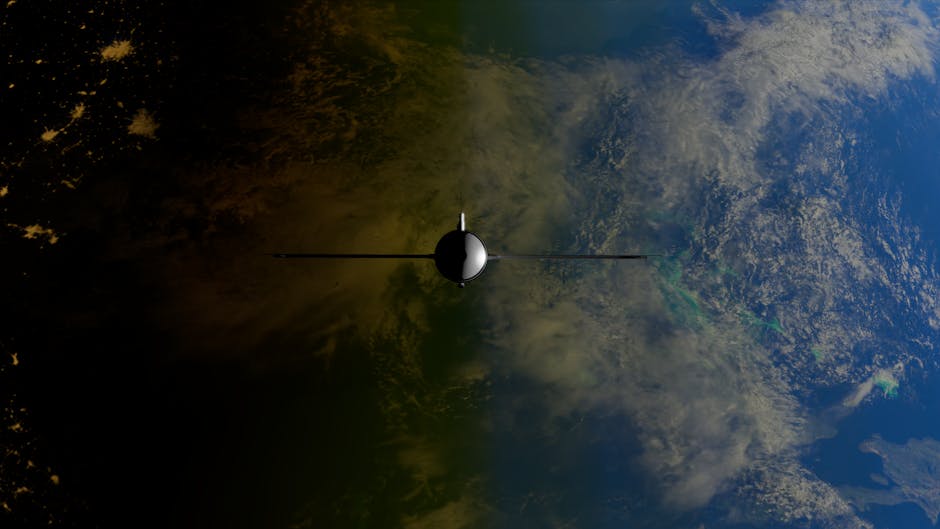
When astronauts peer back at Earth from the International Space Station, they experience the ‘Overview Effect’—a cognitive shift that alters their perspective on the fragility of life and the interconnectedness of systems. While most operators will never leave the troposphere, the rigorous demands of space exploration provide a blueprint for terrestrial high performance. The challenges of isolation, extreme environmental constraints, and the absolute necessity of fault-tolerant systems offer a masterclass in managing human capital.
Human Factors and Operational Resilience
Space agencies invest billions into understanding how the human body decays in low-gravity environments. This research has profound implications for corporate operations, where the ‘gravity’ of burnout and cognitive overload acts as a slow-acting atrophy. NASA’s focus on circadian rhythm management and specialized nutrition isn’t just about survival; it is about maintaining peak cognitive output during long-duration missions. Leaders who adopt these protocols recognize that physical biology is the baseline for all performance.
Circadian Optimization in High-Stakes Roles
Astronauts operate in environments where natural light cycles are nonexistent. To maintain function, mission control employs advanced lighting technology to regulate melatonin production. Similarly, executives managing global teams across disparate time zones can adopt these lighting principles to stabilize the biological clock, ensuring that decision-making remains sharp during critical windows. Mastery over one’s internal environment is a prerequisite for external strategy.
The Psychology of Isolation
Deep-space exploration creates a unique psychological strain: the confinement of a small team in a high-pressure, resource-scarce environment. This mirrors the experience of startup founders or those in intense leadership roles. Operational excellence in space relies on radical transparency and psychological safety. When the margin for error is zero, social friction must be managed with clinical precision. High-performing teams on Earth benefit from applying the same protocols, prioritizing clear communication frameworks and preemptive conflict resolution to ensure that the mission remains the focal point.
Leveraging Technological Spinoffs for Wellness
Technology developed for the stars is already augmenting our quality of life on the ground. From advanced telemedicine diagnostics to sophisticated air purification systems, the ‘spinoff’ economy has fundamentally upgraded the infrastructure of modern mindset and physical well-being. By integrating remote biometric monitoring and wearable health tech, operators can move from reactive health management to proactive, data-driven optimization—essentially applying the same telemetry used in rocket flight to the human body.
Scaling Complexity with Precision
The complexity of managing a lunar base requires a level of systems thinking that is increasingly necessary in a business world defined by volatility. When you design a wellness program that must survive in a vacuum, you learn to discard the fluff. You focus on what works, what scales, and what creates the highest return on energy expenditure. Leaders who adopt a ‘mission-critical’ approach to their personal and organizational wellness gain a significant competitive advantage.
For further insights into how technology and strategic focus intersect, explore the resources at The BossMind Network.
Further Reading
”
}