{
“title”: “The Evolution of Wellness: From Ancient Rituals to Strategic Systems”,
“meta_description”: “Wellness is no longer a luxury; it is an operational imperative. Explore the history of creativity in health and how leaders design systems for peak performance.”,
“tags”: [“high performance”, “systems thinking”, “wellness history”, “strategic leadership”, “operational excellence”, “cognitive optimization”],
“categories”: [“Health and Wellness”, “History”],
“body”: “
The Myth of Wellness as Modern Innovation
Most observers categorize wellness as a recent invention, a byproduct of the digital age designed to counter the externalities of sedentary labor. This is a strategic oversight. The history of human creativity in wellness is not a timeline of discovery, but a cycle of iterative design. Ancient civilizations did not view health as a lifestyle segment; they treated it as a core component of leadership and societal maintenance. The Spartan emphasis on physical rigor, the Roman development of public thermal infrastructure, and the Vedic traditions of breath control were not mere cultural expressions—they were early experiments in human system optimization.
The Shift from Ritual to Operational Frameworks
Historically, wellness evolved from localized, superstitious rituals to formalized frameworks. When ancient societies needed to ensure the stamina of their militaries or the clarity of their thinkers, they did not rely on anecdotal health practices. They created repeatable, scalable systems. This transition mirrors the modern shift in professional environments where operations and health metrics collide. The creative evolution of wellness occurred when individuals stopped viewing the body as a static vessel and began treating it as an asset subject to the same principles of maintenance and depreciation as any other enterprise resource.
The Industrial Friction
The Industrial Revolution introduced the first major systemic failure in the history of human wellness. By isolating biological output from environmental context, the era of factories and cubicles prioritized immediate throughput over long-term sustainability. This period suppressed creative wellness solutions in favor of standardized, low-cost maintenance. Leaders today are tasked with reversing this legacy. The modern high-performer faces the same challenge as the ancient strategist: how to optimize output without compromising the structural integrity of the human engine. This is where modern strategy meets biological engineering.
Designing for High-Performance Thinking
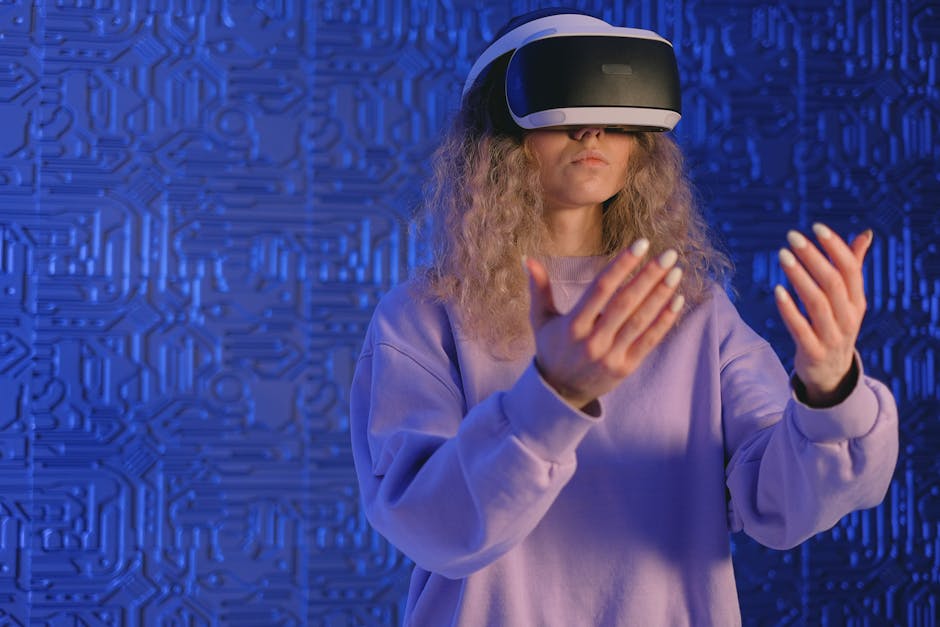
True creativity in wellness today manifests in the synthesis of ancient wisdom and data-driven feedback loops. We are currently in an era where wearable technology and algorithmic health assessment allow leaders to apply decision-making frameworks to their own physiology. This is not about vanity or fitness trends. It is about the rigorous application of input-output analysis to achieve cognitive clarity. The history of this field teaches us that those who treat health as an experimental science consistently outperform those who treat it as a passive leisure activity. Visit The Boss Mind to see how we track these institutional shifts in human performance.
The Future of Bio-System Integration
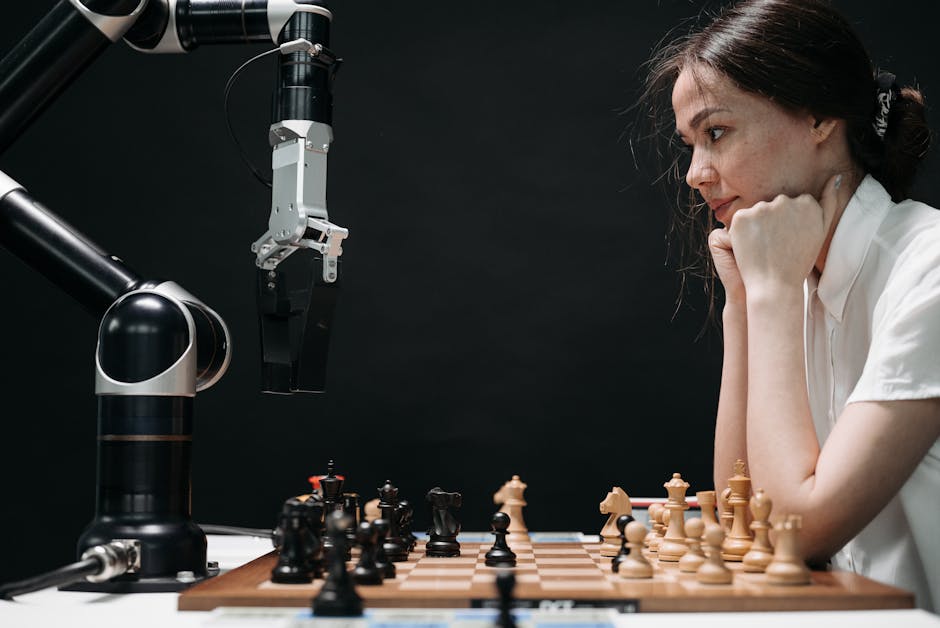
As we advance, the integration of artificial intelligence and biological monitoring will remove the guesswork from personal performance. We are approaching a stage where wellness is automated at the foundational level, allowing for a higher degree of focus on high-level cognitive work. The history of this field shows that creativity in wellness is essentially a history of increasing the granularity of control. As we gain better tools, we must ensure our performance models remain anchored in the fundamental principles of rest, biological tension, and sustainable output.
Further Reading
”
}