{
“title”: “The Renewable Renaissance: Strategic Opportunities in Sustainable Art”,
“meta_description”: “Explore how renewable energy is redefining the aesthetics and production of modern art, offering new operational efficiencies and creative frontiers for creators.”,
“tags”: [“renewable energy”, “art innovation”, “strategic sustainability”, “creative industry”, “operational excellence”, “sustainable design”],
“categories”: [“Business”, “Culture, Indie and Trends”],
“body”: “
The Convergence of Energy and Aesthetics
Sustainability often evokes images of compliance reports and supply chain optimization, yet it is currently triggering a profound evolution in the fine arts. Artists and curators are moving beyond the traditional constraints of physical media to integrate renewable energy into the very fabric of their work. This shift represents more than an aesthetic trend; it is an exercise in resourcefulness that parallels the high-performance strategy required in modern corporate operations.
When an installation powers itself through kinetic energy harvesting or solar-integrated displays, the creator transitions from a mere visionary to a systems thinker. This transition forces an engagement with thermodynamics, electrical engineering, and material science, fundamentally changing the risk profile and technical demands of art production.
Operational Efficiency as a Creative Constraint
High-performers understand that constraints drive innovation. Incorporating renewable energy into art forces a discipline akin to operational excellence, where waste is treated as a design flaw. Artists are now treating energy consumption as a finite resource that dictates the scope and longevity of their projects. This requires an iterative approach to design that mirrors agile methodologies.
By treating energy capture as a core component of the creative process, creators identify opportunities to reduce overhead. Just as a business might audit its energy expenditure to improve its bottom line, an artist using solar-responsive light sculptures is effectively reducing their reliance on external grid dependency. This independence is a potent form of autonomy that allows art to exist in off-grid, remote, or temporary settings where traditional power sources are unavailable.
The Role of Technological Integration
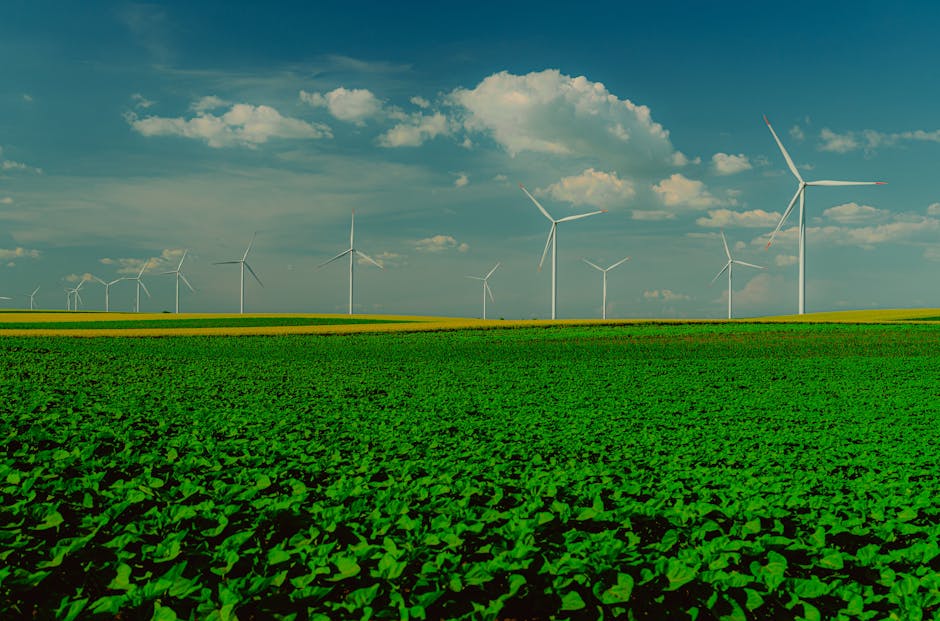
The integration of solar panels, wind turbines, and piezoelectric floors is no longer merely functional—it is an aesthetic statement on the Anthropocene. Leading creators are utilizing AI to optimize the energy harvesting patterns of their installations, ensuring that power generation aligns with peak viewing hours. This synergy between software and physical infrastructure provides a blueprint for how industries can manage systems complexity in volatile environments.
Investors and collectors are beginning to recognize that art requiring sophisticated energy management strategies possesses higher technical provenance. These works are not just static objects; they are operational entities that require ongoing maintenance and strategic oversight. For the collector, this introduces a new dimension of asset management, shifting the focus from simple appreciation to functional performance.
Strategic Implications for the Creative Sector
For those managing large-scale public art programs, renewable integration is becoming a mandate. The cost of maintaining high-energy installations is prohibitive in a volatile energy market. Transitioning to renewable energy not only aligns with broader corporate ESG goals but also mitigates the long-term operational risks associated with centralized power. This is a clear case where sustainability drives productivity by ensuring that the art remains viable regardless of external infrastructure disruptions.
To learn more about the broader shifts in the global landscape that influence these trends, visit The BossMind Network.
Further Reading
”
}